
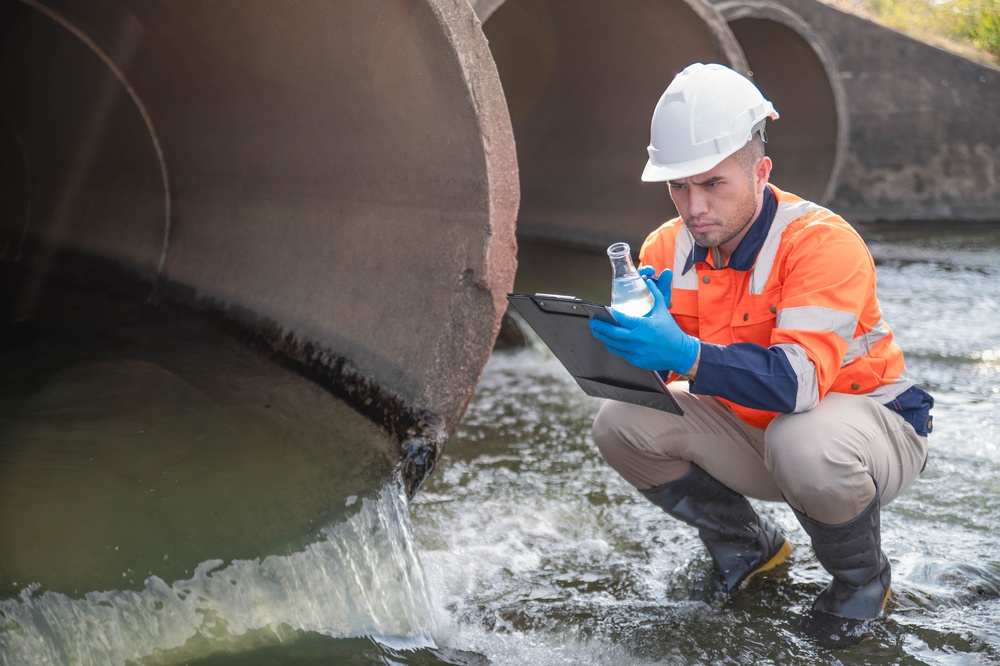
Many federal employees involved in conservation work focus on environmental research, particularly how biodiversity is impacted by human activities or climate change. However, this research is not only focused on nature. Scientists at agencies like the EPA also explore how our built environments impact us, the effects of living on urban heat islands, and how pollution or other chemical exposures impact our health.
By the numbers
EPA regulations are estimated to reduce exposure to “forever chemicals” in drinking water for about 100 million people.
A canceled government report assessing environmental and biodiversity conditions in the U.S. has been revived and released for public review by its independent authors.
The EPA’s Office of Research and Development has been officially dissolved, leaving the agency without an independent research arm.
The Intergovernmental Panel on Climate Change, a preeminent international climate research body, is facing significant challenges after the withdrawal of direct U.S. support and disruptions to data collection previously funded through USAID.
Profile · On the Ground
Director of the Healing Our Waters–Great Lakes Coalition
What happens when Ohio’s sewer and water pipes deteriorate from age, when pollution and fertilizer from lawns and farms threaten the health of water drawn from Lake Erie, and when the federal government simultaneously offloads its job of protecting the environment?
“We call it a water infrastructure crisis,” said Laura Rubin, director of the Healing Our Waters – Great Lakes Coalition, a consortium of more than 250 organizations promoting Great Lakes health and science. “In the Great Lakes in particular, and in Ohio, we have aging infrastructure. Our pipes were built 50, 100, 150 years ago, and we need investment in these systems.”
More than 30 million people rely on the Great Lakes for drinking water—10% of the U.S. population and 30% of the Canadian population. As of fiscal year 2024, the total economy for the U.S. Great Lakes region generated $3.1 trillion in gross domestic product while creating 25.8 million new jobs and supporting $1.3 trillion in wages, due in large part to the five major ports in the region: Chicago, Illinois; Cleveland, Ohio; Detroit, Michigan; Duluth, Minnesota; and Milwaukee, Wisconsin.
Claiming a need to cut waste, fraud and regulatory overreach, the Trump administration is shifting more environmental responsibility and costs to people in the states, despite an existing funding deficiency. In 2025, a $6.3 billion gap existed between federal revolving-loan funds awarded for Ohio water and sewer projects and the state’s cited needs, Rubin’s coalition found.
Meanwhile, the American Society of Civil Engineers 2025 report card gave Ohio’s drinking water systems a grade of D-plus that year, citing their age and deterioration.
Personnel cuts and a funding pause in 2025 for National Oceanic and Atmospheric Administration projects also forced lengthy delays in monitoring for toxic algae in western Lake Erie—the main drinking water source for Toledo, Ohio, and other nearby communities. That was not good news for Toledo where algal blooms from farm and industrial runoff in 2014 put the city’s drinking water off limits for three days and affected over 450,000 residents.
There is also concern that proposed Environmental Protection Agency budget cuts for 2027 will mean big reductions in money for water and sewer infrastructure programs, Rubin said, resulting in risks for environmental and science programs that cannot be picked up by the states.
“These communities don’t have the resources to maintain and improve water infrastructure,” Rubin said. “They aren’t able to finance lead pipe removal and replacement or afford treatment plant upgrades. And when we don’t have forecasting and monitoring due to funding delays, we aren’t necessarily able to assure clean water across the board.”